Centreville are lucky to have in their ranks an inspirational man who has recovered from life threatening and life changing injuries to ride again when it was not thought he would even survive. To be back on the bike and training again when walking had seemed impossible is extraordinary and a testament to John’s strength, fortitude and incredible determination; as well as his love and passion for cycling.
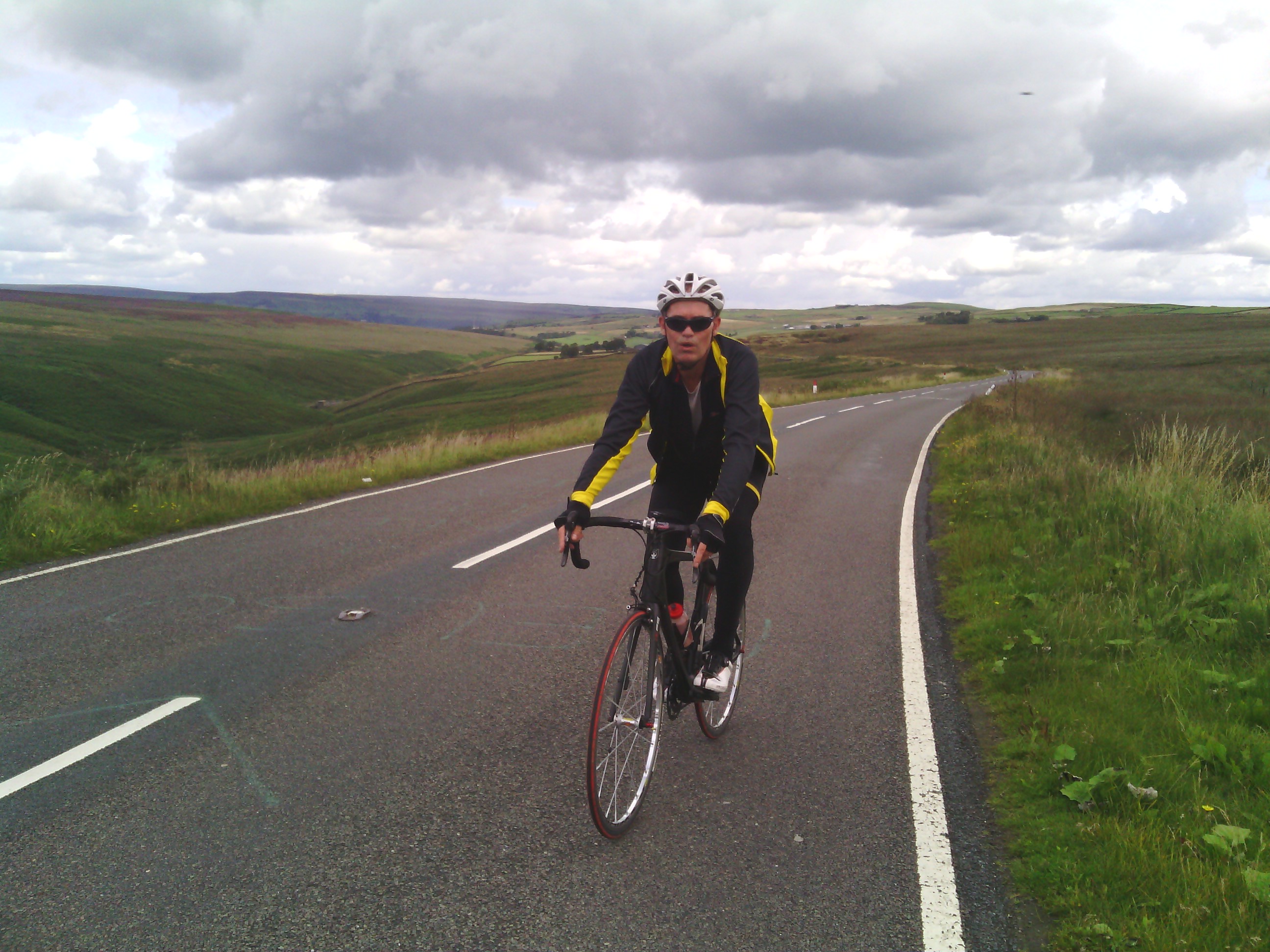
John Drake was a stalwart of the racing scene in a Centreville strip and a strong rider, especially at time trials. His best TT times are 22’56 for 10 miles and 1hr 5 min 32 sec for 25 miles, and he raced at Manchester velodrome in the ACT league from its inauguration up to his accident. John rode most of the alpine Tour de France climbs, including Alpe D’Huez eight times, the Galibier twice, the Telegraph twice, Col du Madeline twice, the Petit St Bernard numerous times, the Col de Roseland a few times, the Arc 1800 and 2000 events, the Croix de Fer, Les Deux Alpes, and in the summer before his accident he did the Col d’Iseren, which at 2770m is the third highest pass in Europe.
He became a coach at the Manchester Velodrome with Sports City Velo and trained many successful riders, especially on the track. The regard in which he is held by those he helped is shown by the roster of famous names who got in touch after his accident, including Olympic gold medal winner Jason Kenny, Olympian Steven Burke, Matt Crampton and World Tour riders Simon and Adam Yates. He also coached riders now coming through including Chris Lawless and Chris Latham. He knows Mark Cavendish and he too sent his best wishes. John was involved in developments which eventually grew into the British Cycling – Sky partnership, and Dave Brailsford also got in touch. John’s son Craig was a pro rider, and John takes great pleasure in his achievements and ongoing exploits.
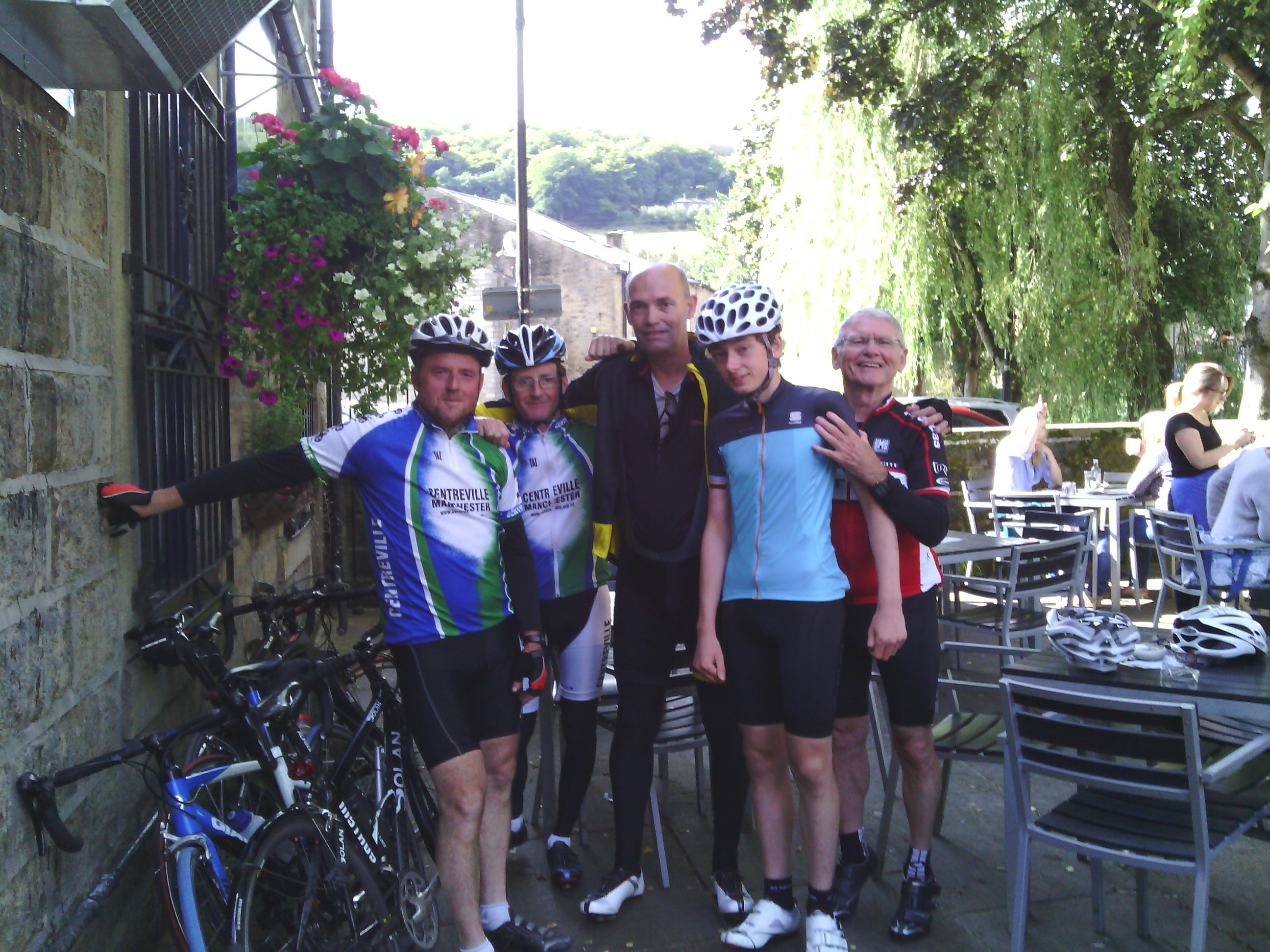
Among John’s injuries were 30 fractures: his back was broken in 3 places, his neck was broken, his skull fractured in 2 places, his nose, right cheekbone and his ribs were broken, the ribs scarring his lungs; and he was unable to remember anything beyond his childhood years. He does an hour of physiotherapy exercises every morning, and rides despite back pain which is worsened by climbing hills. His first route back into cycling was to have two people help him onto a turbo for five minutes on 39 x 16, and it would take another five minutes to get off the turbo. He has since re-learned riding at the velodrome, though for the first time in his life he has given up his racing license: “That was a really hard step to take, but it is important part of accepting my new situation.” Coming out with Centreville today was another hurdle, of which he wrote “It was a giant physiological and emotional step forward in my recovery…”
It was great to see you out John, and here’s hoping you will make a habit of it – we need reminding that being able to cycle is a great thing whatever speed we go….and I for one need someone to talk to when I get dropped! Getting to where you are now has to be counted a tremendous cycling achievement in itself and a lesson to us all.
Geoff
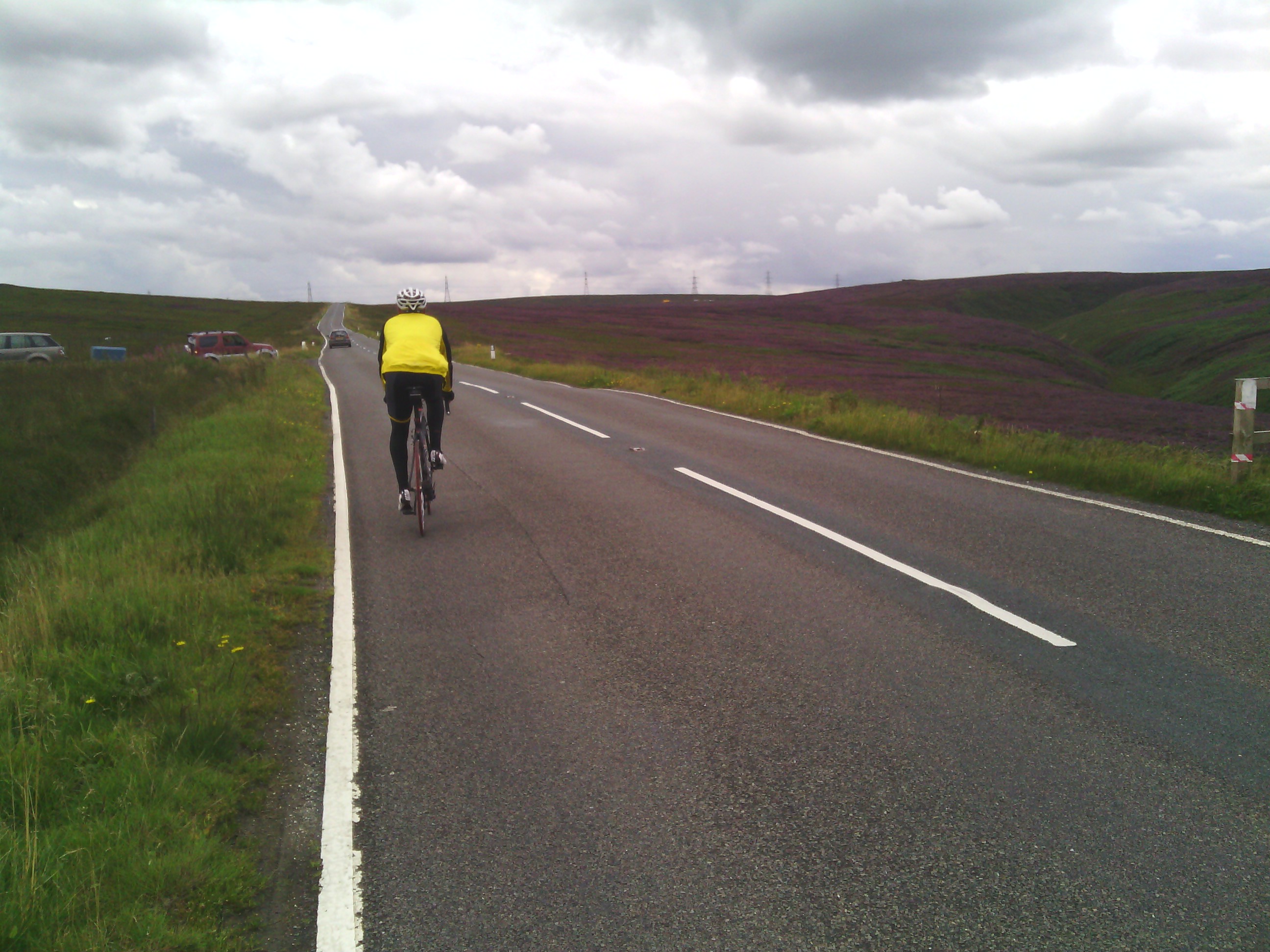

Nice to see you out John. Turned out to be quite a nice day.
That’s quite the inspirational story. It’s a huge shame about the accident but testament to the fortitude of the man to make such a remarkable comeback.